
Vacheron Constantin FiftySix, all in shades of grey
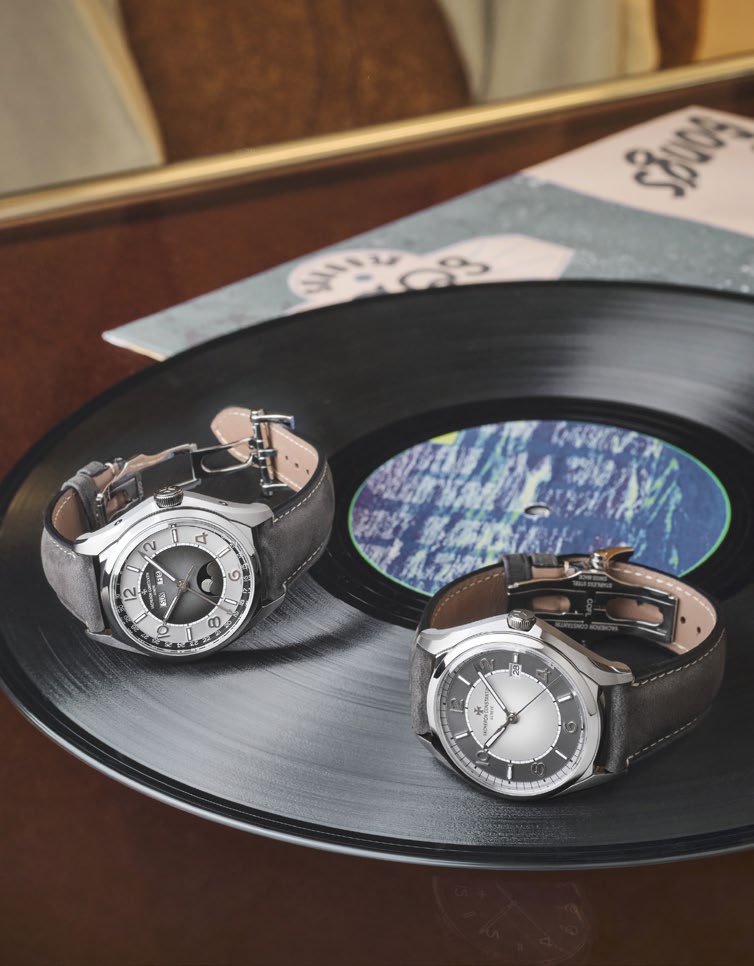
On 10 November 2026, Vacheron Constantin presented two new steel versions of the Fiftysix. The diameter, the calibres and the 1950s dress-watch silhouette have not moved, yet the look is genuinely new. Why not go back to the 35 mm of the 1956 watch? A carefully considered exercise in style. Eight years after launching the collection, the house shows how it looks after a classic that is still young.
Reference 6073, 35 mm
Fiftysix stands for 1956, the year Vacheron Constantin presented Reference 6073. A round, time-only watch whose lugs each represent a branch of the Maltese cross, under a box crystal. It was among the first watches from the manufacture to receive a self-winding movement, calibre 1019/1, at a time when most models were still hand-wound, and its case, with a multi-sided caseback, was built to be water-resistant.
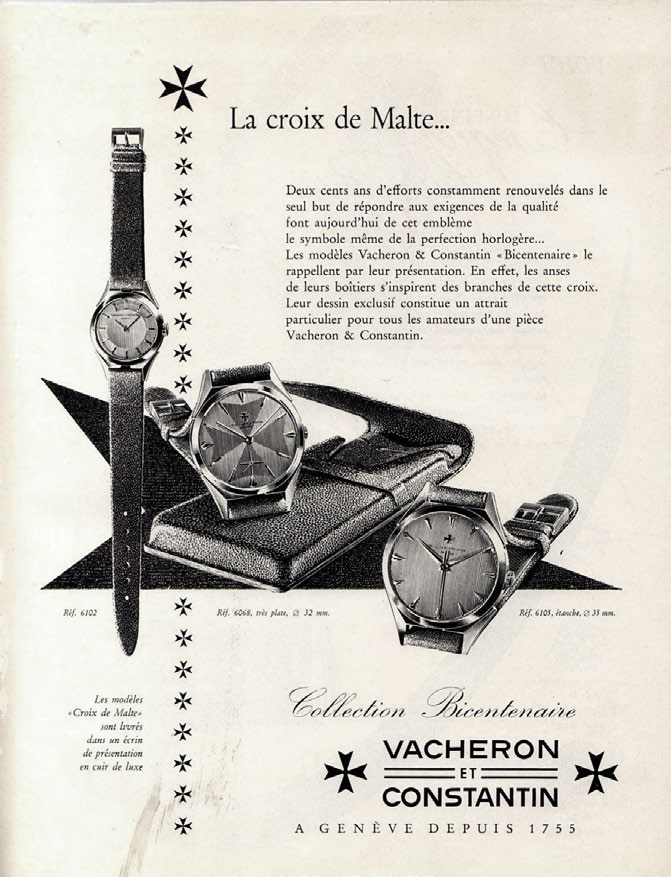
The Fiftysix, launched at the SIHH in January 2018, took from it the lugs, the box crystal, now sapphire instead of Plexiglas or mineral glass, and self-winding, extended to the whole collection. It departs from it in its crown, recessed into the case, and in its diameter. For the first time in its history, the house then offered a classic collection in both gold and steel, with the stated ambition of opening fine watchmaking to a wider circle of enthusiasts. Steel received the same treatment as gold, white gold hands and appliqués included.
The question of the original size is one the house raises itself, noting that the trend is towards smaller diameters, and it had already addressed it, in almost the same words, in August 2024. Christian Selmoni, Maison Legacy & Style Director at Vacheron Constantin, answers with a principle.
In the 1950s, watches were smaller and Reference 6073 was no exception with its 35 mm diameter. It is not Vacheron Constantin’s mission to reproduce the past identically, to reproduce what has already been done. In this respect, the Fiftysix collection can be defined as modern with a retro touch.
Christian Selmoni, Maison Legacy & Style Director at Vacheron Constantin, interview published by the house on 10 November 2026
The 35 mm is put down to the norm of its day, and the Fiftysix deliberately sides with interpretation, well away from reissue. The Self-Winding keeps its 40 mm with a thickness of 9.6 mm, the Complete Calendar its 40 mm with 11.6 mm, the dimensions of the pink gold Fiftysix models of 2020.
Two greys in conversation
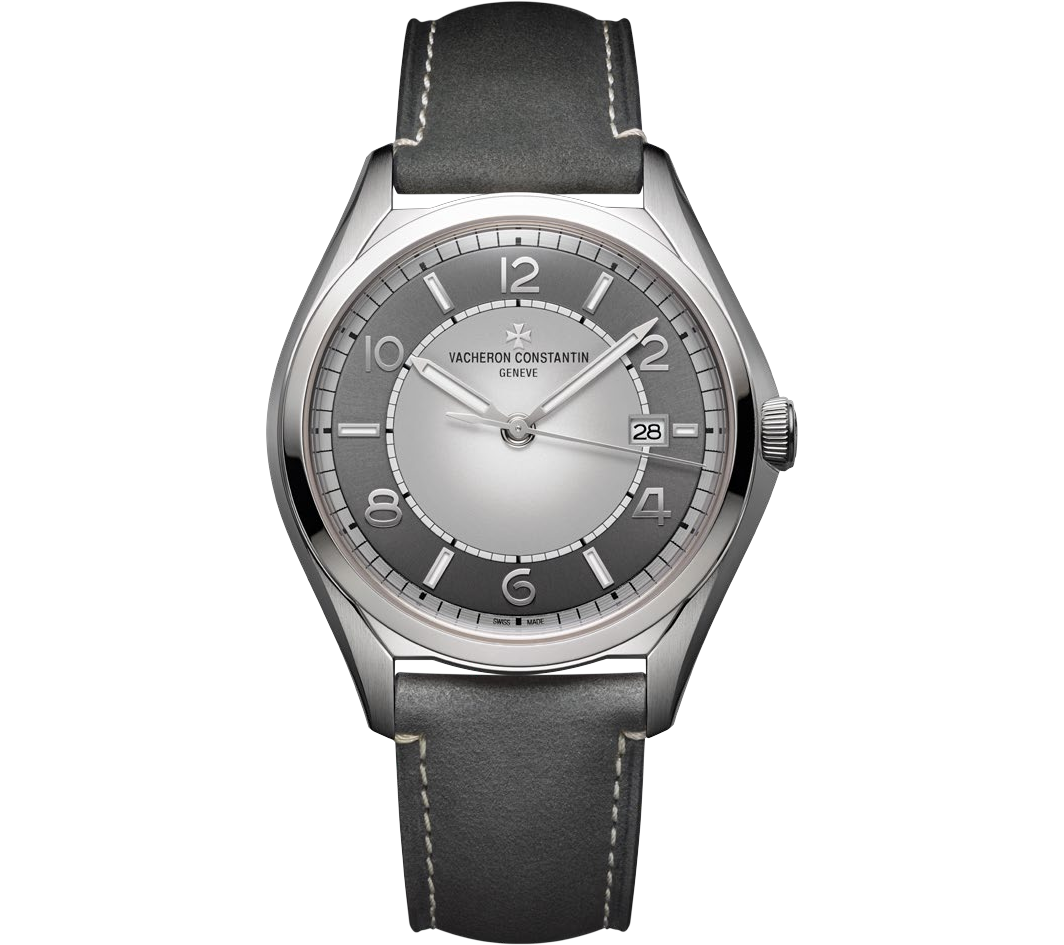
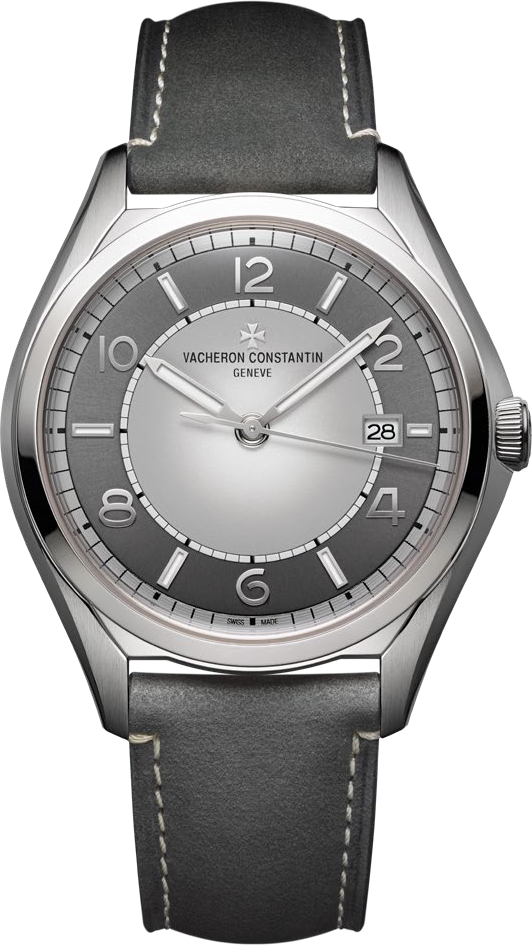
In 2018, the steel Self-Winding already had a grey dial in a single tone, its sectors set apart only by opaline and sunburst finishes. The new version hands that contrast over to colour. The opaline centre is a light grey gradient, the chapter ring a darker grey sunburst gradient, and a snailed peripheral minute track in light grey frames the whole. Between the two sectors runs a white railway minute track, and the date window at three o’clock sits exactly on its centre line. It is the kind of alignment you only notice when it is missing.
Applied Arabic numerals alternate with elongated rectangular indexes in white gold, like the baton hour and minute hands. Indexes and hands are picked out in blue SuperLuminova. Below the 12, a polished white gold Maltese cross is applied to the dial.
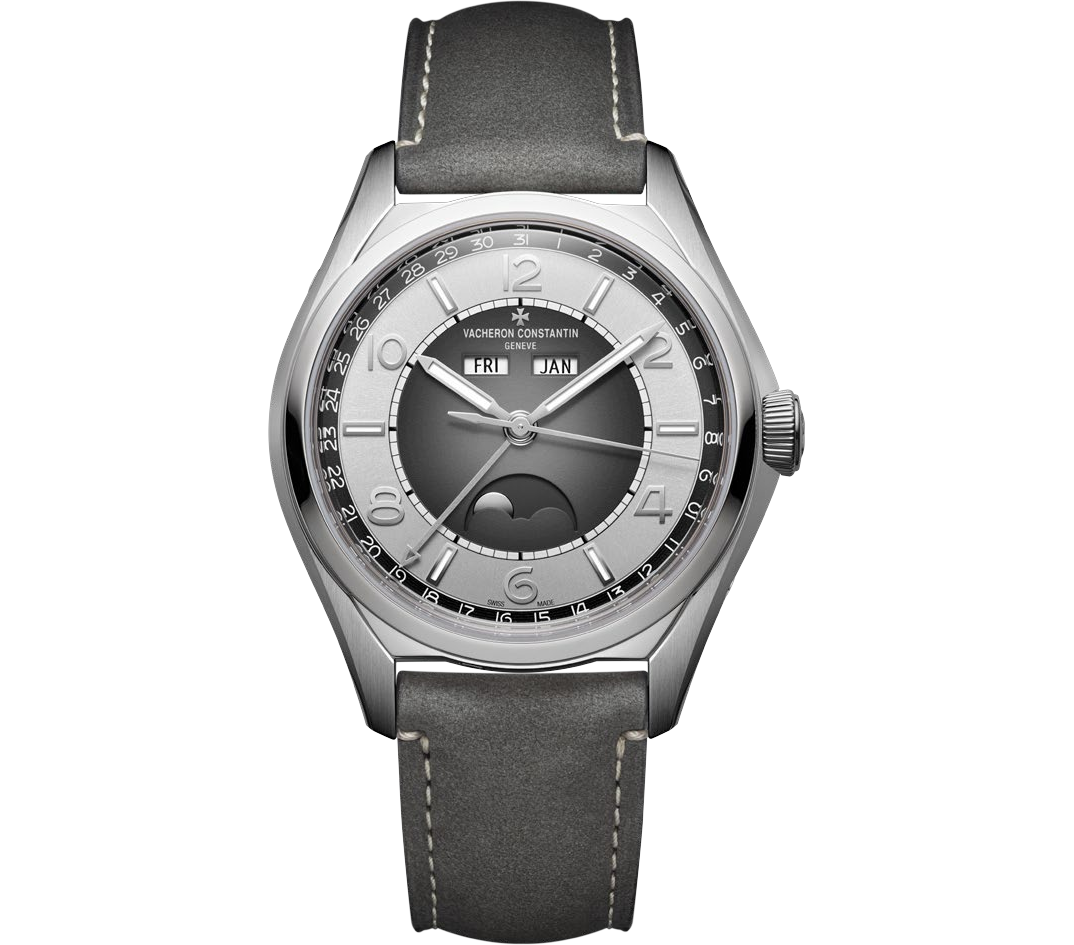
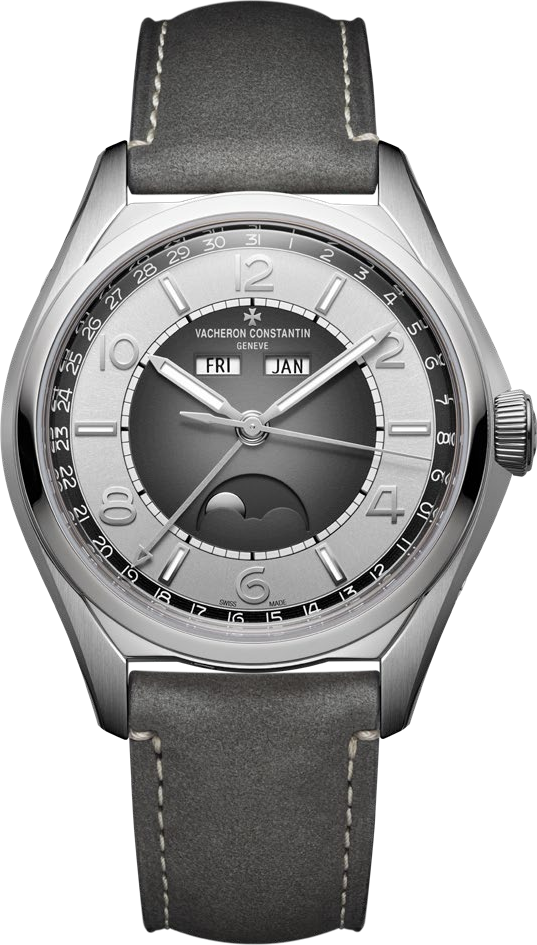
The Complete Calendar reads the Self-Winding’s vocabulary in reverse. Its opaline centre is a dark grey gradient, its chapter ring a lighter sunburst gradient, and the same white minute track marks the border. At the top, the day and the month appear in two rectangular apertures. At the bottom, the moon phase. Around the edge, a hand points to the date on a black snailed ring, matching the night sky of the moon phase, where the 2018 Complete Calendar had a blue sky. Moon, cross, indexes and hands are in polished white gold.
On two dials that share the same grammar, reversing the tones is enough to set their characters apart. The light centre opens up the Self-Winding, the dark centre gathers the Calendar’s face around its apertures and its moon. The house speaks of sector dials that appear bolder. The word may seem a little strong for a move from grey to grey, and yet this is where the novelty lies, in a contrast you read before you have even read the time.
Brushed against polished
On the case, it is through the finishes that the watch renews itself. The bevelled lugs, a signature of the collection, are now vertically brushed and polished on the bevel. The case sides get the same vertical satin finish, which brings out the polish of the bezel, the crown and, where there are any, the correctors. The caseback is sapphire, water resistance tested to 3 bar. On steel, this play of finishes achieves with light what pink gold gets from its colour.
The 2018 steel Fiftysix models came on alligator, with a folding clasp. The two new ones move to an anthracite grey nubuck calfskin, lined with calfskin, with ecru stitching, still on a steel folding clasp.
The calibres of 2018
Under the sapphire caseback, nothing has changed. The Self-Winding uses calibre 1326, launched with the collection in 2018. It measures 26.2 mm (11 ¼ lignes) and is 4.3 mm thick, has 142 components and 25 jewels, beats at 4 Hz and offers around 48 hours of power reserve. It drives hours, minutes, central seconds and date, with a stop-seconds device.
The Complete Calendar, a Hallmark of Geneva-certified watch, relies on calibre 2460 QCL/1, developed and manufactured by Vacheron Constantin. It measures 29 mm (11 ¼ lignes) and is 5.4 mm thick, brings together 308 components and 27 jewels, also beats at 4 Hz and runs for around 40 hours. It drives the date, the day, the month and a precision moon phase that needs correcting only once every 122 years. The complete calendar entered the house’s collections in the early 1940s and became one of its signature complications from the middle of the century.
Both movements are decorated with Côtes de Genève, circular graining and snailing, and wound by the same oscillating weight, openworked in 22-carat pink gold, polished and satin-brushed, with an applied Maltese cross. It was designed for the Fiftysix in 2018.
What it reveals
Christian Selmoni puts these retouches down to the way the eye changes. In his words, “our ‘eye’ also evolves over time and Vacheron Constantin is no exception”. What makes a Fiftysix recognisable from ten metres, the design of the Maltese cross lugs, the box crystal, the 40 mm, its DNA in short, has not moved, any more than its mechanics. What keeps this watch contemporary and lets it renew itself is subtler, in details that a curious, trained eye will appreciate effortlessly, like a natural update.
The way the change travels tells the rest of the story. The anthracite nubuck had already dressed a pink gold Fiftysix Self-Winding with a black dial in 2024. In 2026 it dresses the two steel models, and the house announces that this evolution will reach other references, with a new range of straps. A detail that came from gold moves to steel, the metal through which the collection was meant, in 2018, to open fine watchmaking to more enthusiasts. Maintaining an eight-year-old classic here means letting it evolve through its surfaces and accessories, without reopening either the design or the calibres.
Seventy years after Reference 6073, the Fiftysix still borrows neither its size nor its calibre, but what you recognise at first glance: its lugs and its box crystal. The 2018 bet, that the style of 1956 could be recognised in a 40 mm watch, has paid off. The 2026 bet is that two greys are enough to make you look at it again.
Sources: Vacheron Constantin, press kit “Fiftysix Self-Winding and Fiftysix Complete Calendar, reinterpreting a retro-inspired modern classic”, embargoed until 10 November 2026, French and English versions, with the interview of Christian Selmoni and the technical data sheets of Ref. 4600E/000A-H177 and 4000E/000A-H178; presslounge.vacheron-constantin.com, press releases “Vacheron Constantin presents its new Fiftysix collection” of 15 January 2018, “Fiftysix Sepia brown-toned dial and matching calfskin strap” of 24 April 2020 and “Fiftysix self-winding” of 28 August 2024, consulted on 11 November 2026.
- Case
- Steel, 40 mm, bevelled lugs vertically brushed and polished on the bevel, brushed case sides, polished bezel and crown; box-type sapphire crystal, sapphire caseback; water resistance 3 bar; thickness 9.6 mm (Self-Winding), 11.6 mm (Complete Calendar)
- Self-Winding dial
- Light grey gradient opaline centre, dark grey gradient sunburst chapter ring, snailed peripheral minute track; white railway minute track between the sectors, date at 3 o'clock
- Calendar dial
- Dark grey gradient opaline centre, lighter sunburst chapter ring; day and month in apertures, moon phase on a black sky, date by hand on a black snailed ring
- 18-carat white gold
- Arabic numerals, indexes, baton hands, Maltese cross (and moon on the Calendar) in 18-carat white gold; blue SuperLuminova
- Calibre 1326
- Self-winding, 26.2 mm (11 ¼ lignes), 4.3 mm, 142 components, 25 jewels, 4 Hz, around 48 h, stop-seconds; hours, minutes, central seconds, date
- Calibre 2460 QCL/1
- Self-winding, manufacture, 29 mm (11 ¼ lignes), 5.4 mm, 308 components, 27 jewels, 4 Hz, around 40 h, Hallmark of Geneva-certified watch; hours, minutes, central seconds, day, date, month, precision moon phase (one correction every 122 years)
- Oscillating weight
- Openworked, 22-carat pink gold, polished and satin-brushed, applied Maltese cross; Côtes de Genève, circular graining, snailing
- Strap
- Anthracite grey nubuck calfskin, calfskin lining, ecru stitching; steel folding clasp
- 1956Ref. 6073, Maltese cross lugs, self-winding
- 2018Launch of the Fiftysix, steel and gold, 40 mm
- 2020Sepia dial, pink gold, calfskin strap
- 2024Black dial, pink gold, anthracite nubuck
- 2026Steel Self-Winding and Complete Calendar, dials in two greys
| Diameter | Movement | Indications | Crystal | Crown | Caseback | |
|---|---|---|---|---|---|---|
| Ref. 6073 (1956) | 35 mm | self-winding, calibre 1019/1 | hours, minutes | box | classic | multi-sided, water-resistant |
| Fiftysix Self-Winding (2026) | 40 mm | self-winding, calibre 1326 | hours, minutes, central seconds, date | box, sapphire | recessed into the case | sapphire, 3 bar |
| Fiftysix Complete Calendar (2026) | 40 mm | self-winding, calibre 2460 QCL/1 | hours, minutes, central seconds, day, date, month, moon phase | box, sapphire | recessed into the case | sapphire, 3 bar |
Sources: Vacheron Constantin, Fiftysix Self-Winding and Fiftysix Complete Calendar press kit, embargoed until 10 November 2026, French and English versions; presslounge.vacheron-constantin.com, press releases of 15 January 2018, 24 April 2020 and 28 August 2024, consulted on 11 November 2026. Photos: Vacheron Constantin.
Research and writing assisted by Claude Code.