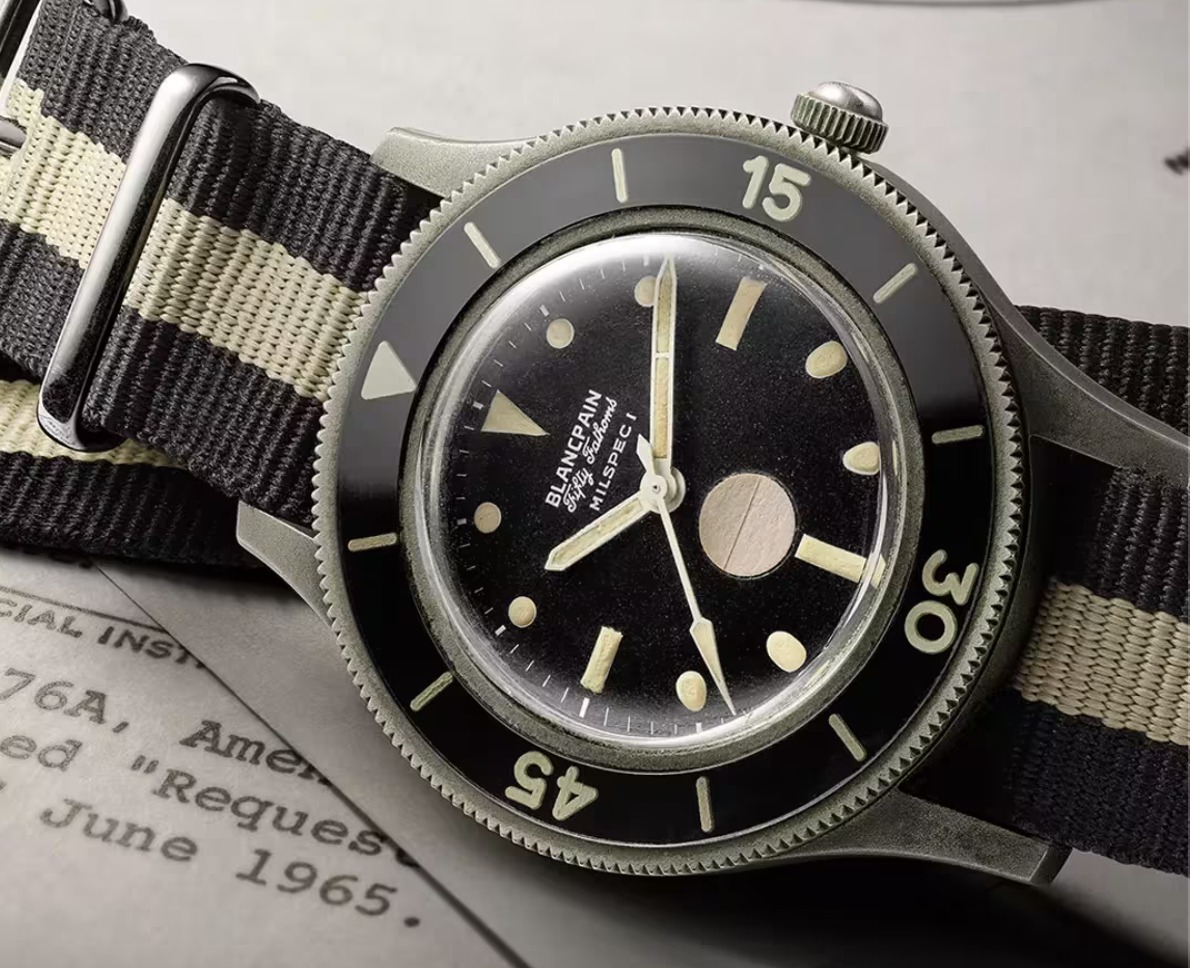
Submariner and Fifty Fathoms: the watches that ended up leaving the water
Two watches born in 1953 to stop a diver dying. Seventy years later they are worn dry, under a shirt cuff. The story of a function that became a sign.
Watchmaking decoded, beyond the press release.
Two watches born in 1953 to stop a diver dying. Seventy years later they are worn dry, under a shirt cuff. The story of a function that became a sign.
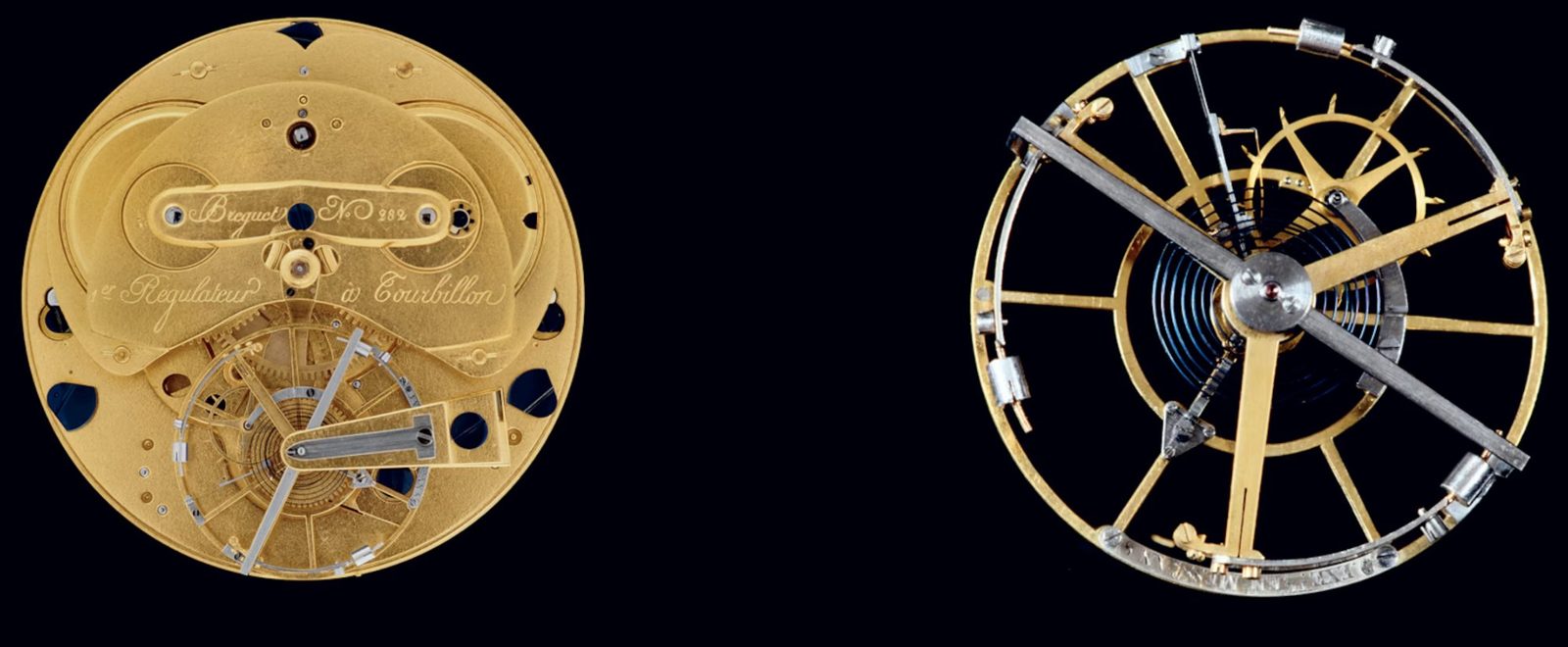
In 1801 Breguet patented the tourbillon to correct the effect of gravity on pocket watches. Two centuries later it is of almost no use and costs a fortune. The story of a gap.
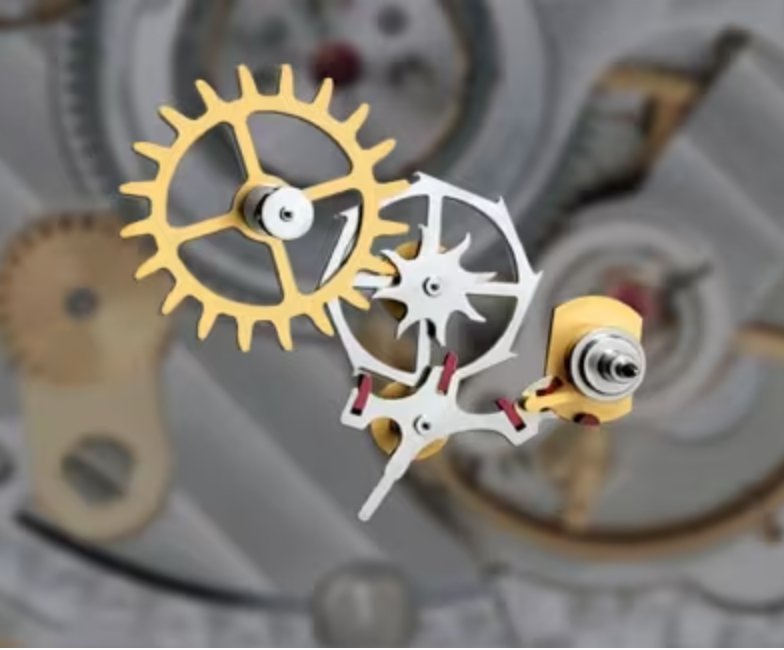
For two and a half centuries every mechanical watch has beaten thanks to the same organ, the lever escapement, and its unavoidable drop of oil. In the 1970s a solitary English watchmaker invented something better. The Swiss industry took twenty years to deign to listen, until Omega industrialised it in 1999.
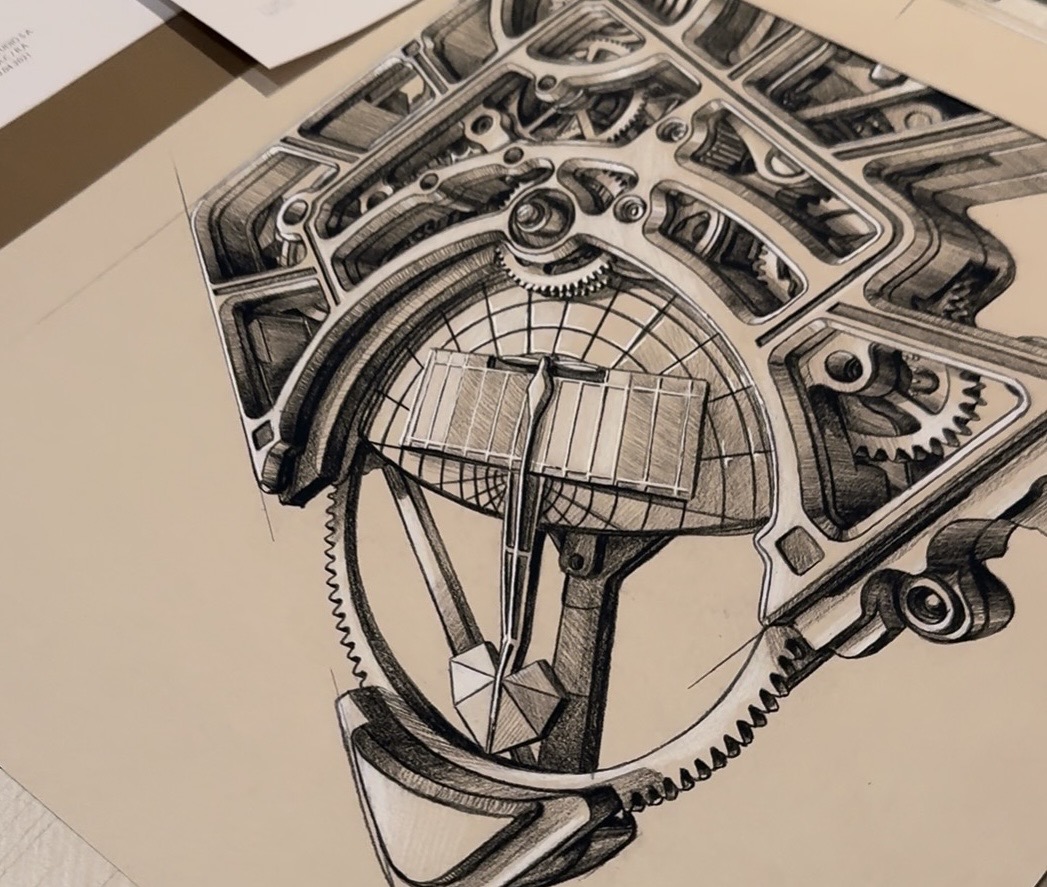
In 1904 an aviator could not read the time without letting go of his airship's controls. The jeweller of the place Vendôme strapped a watch to his arm. How a need born in the air took the watch out of the pocket.
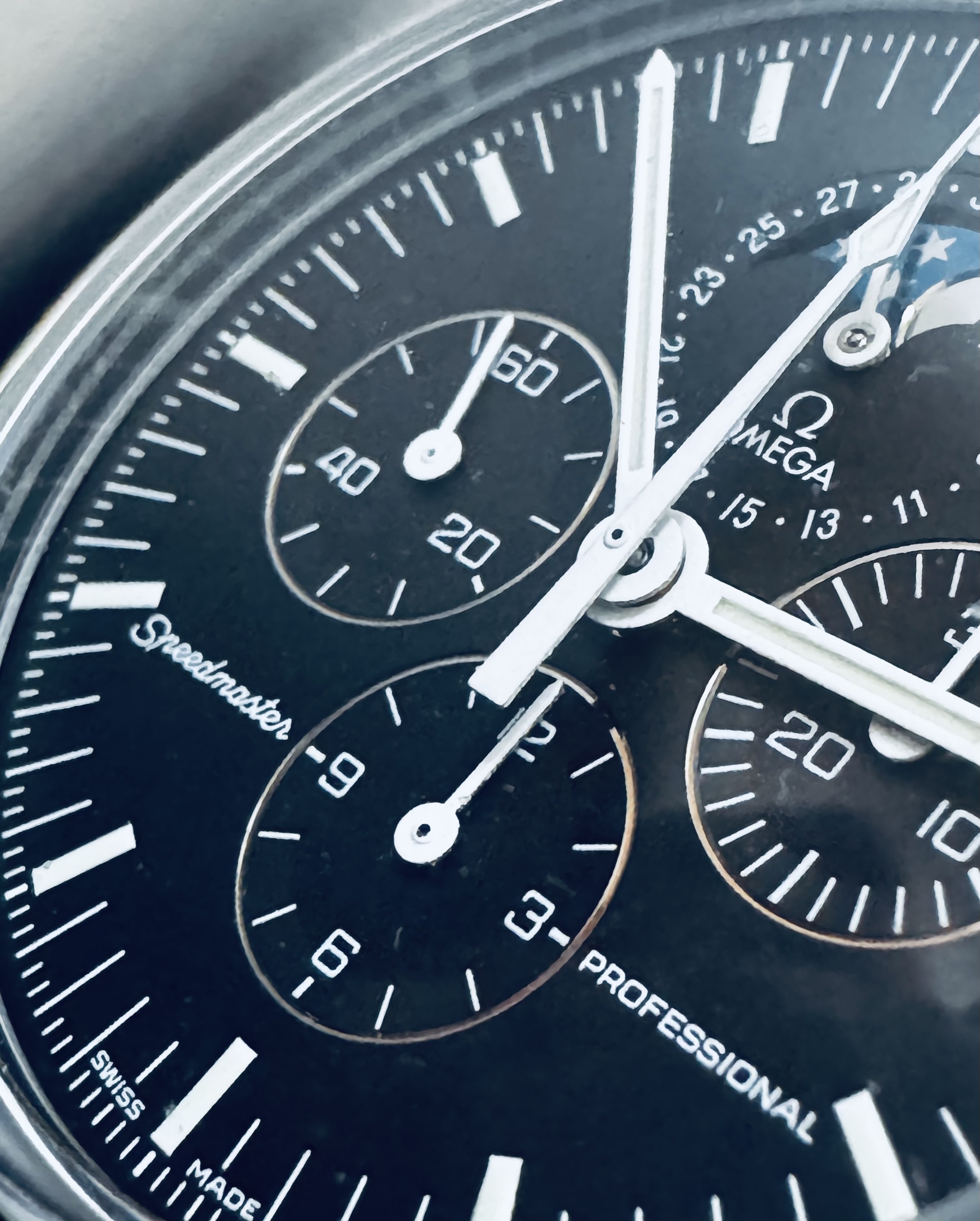
It is sold as the space race on the wrist. At the start, though, there is a far less glorious scene: a request for quotes and ordinary production chronographs put through merciless endurance testing. The story of a technical badge that became a myth.
In 1983 an ultrasonically welded plastic watch arrived in Zurich. Nobody yet saw the till that would buy Blancpain and Breguet. How an object costing fifty francs paid for the rebirth of Swiss mechanical watchmaking.

Swatch Group, Richemont, LVMH. Thirty years of acquisitions have concentrated dozens of brands in three pairs of hands, which hold the movements, the components and the shop windows. Yet the most powerful names at the top end escape them. The story of a real and partial power.

In the 1960s Switzerland looked down on Japanese watchmaking as cheap goods. Then Seiko climbed the rankings of the Neuchâtel and Geneva chronometry trials, until the trials closed. The story of a contempt that cost dearly.
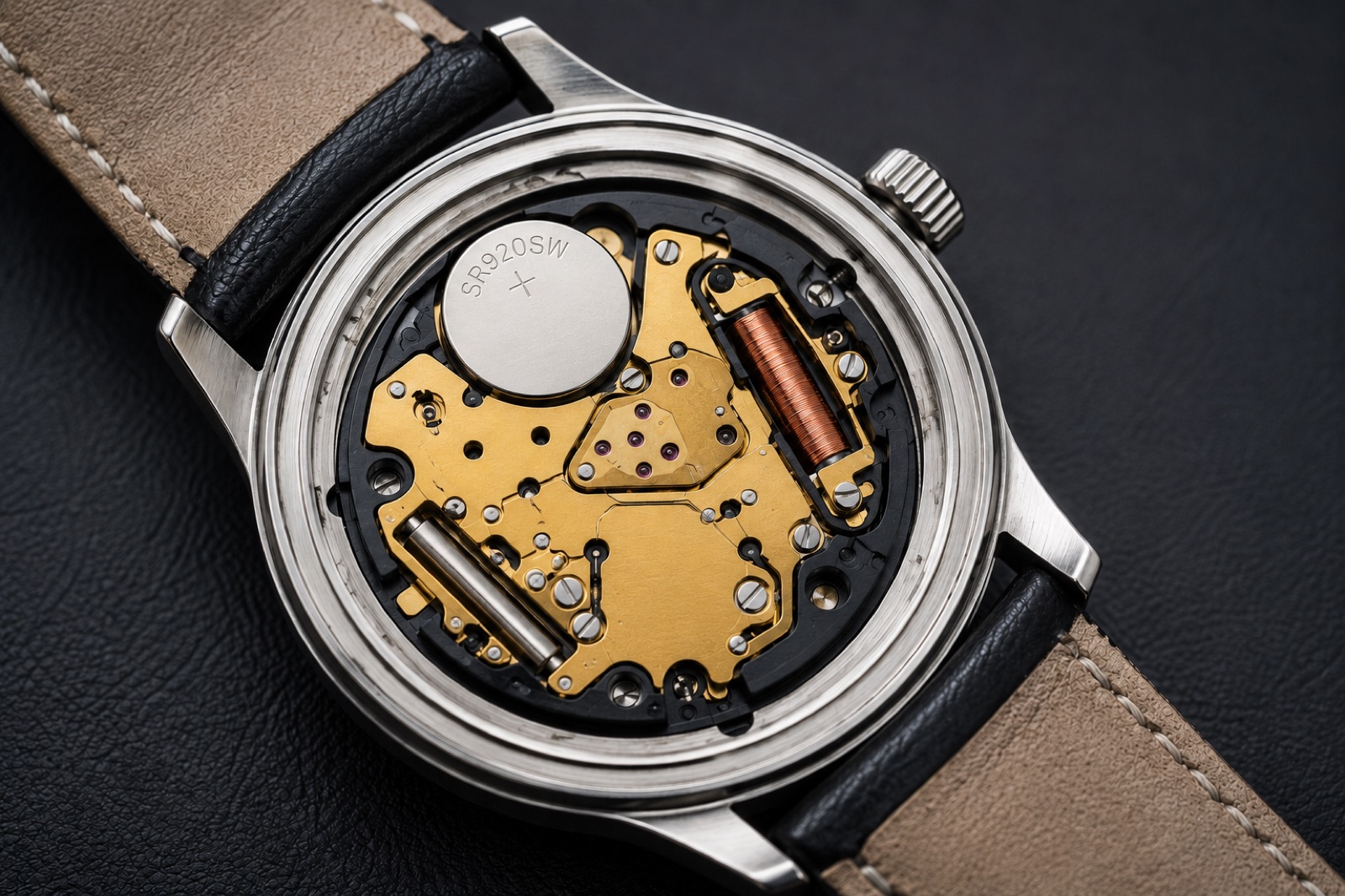
It took fifteen years for Swiss watchmaking to lose two thirds of its jobs. The blame has long fallen on a thin sliver of quartz out of Japan. The real story is more troubling.